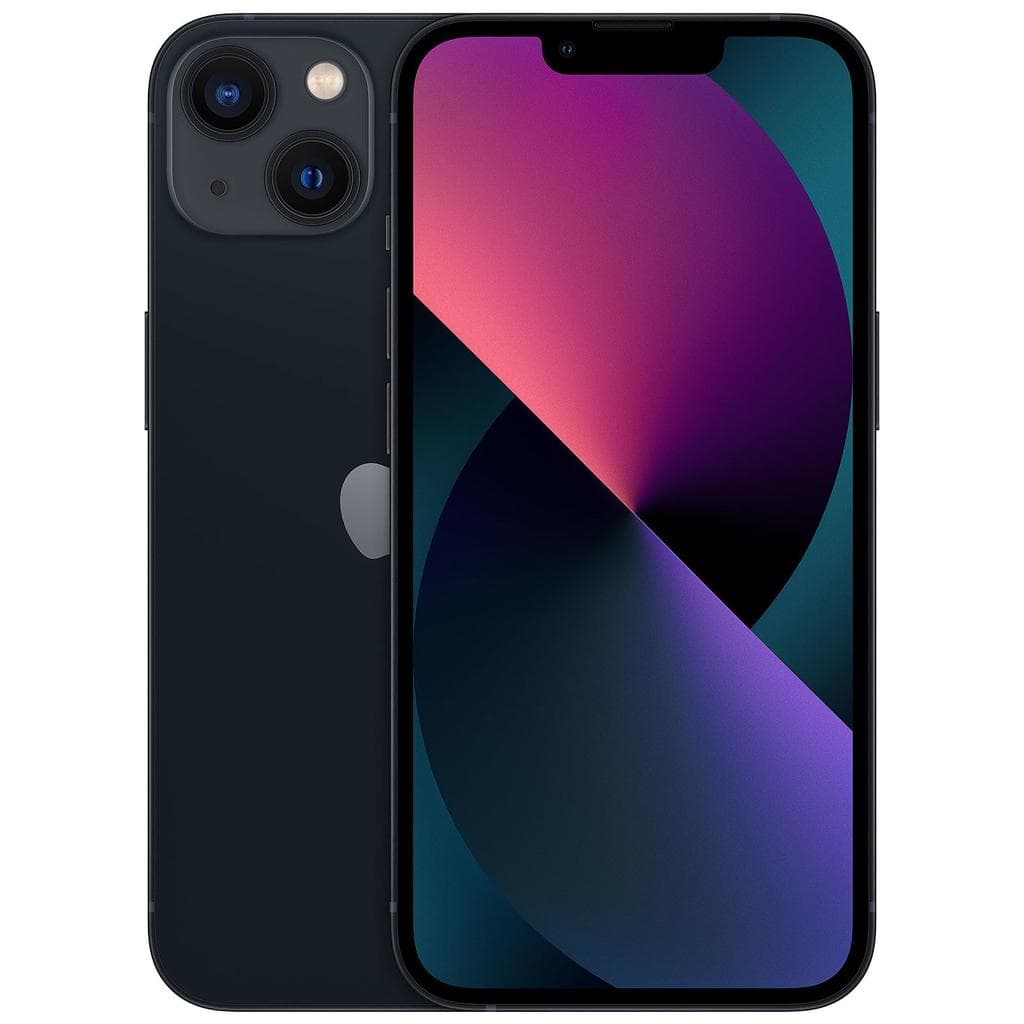
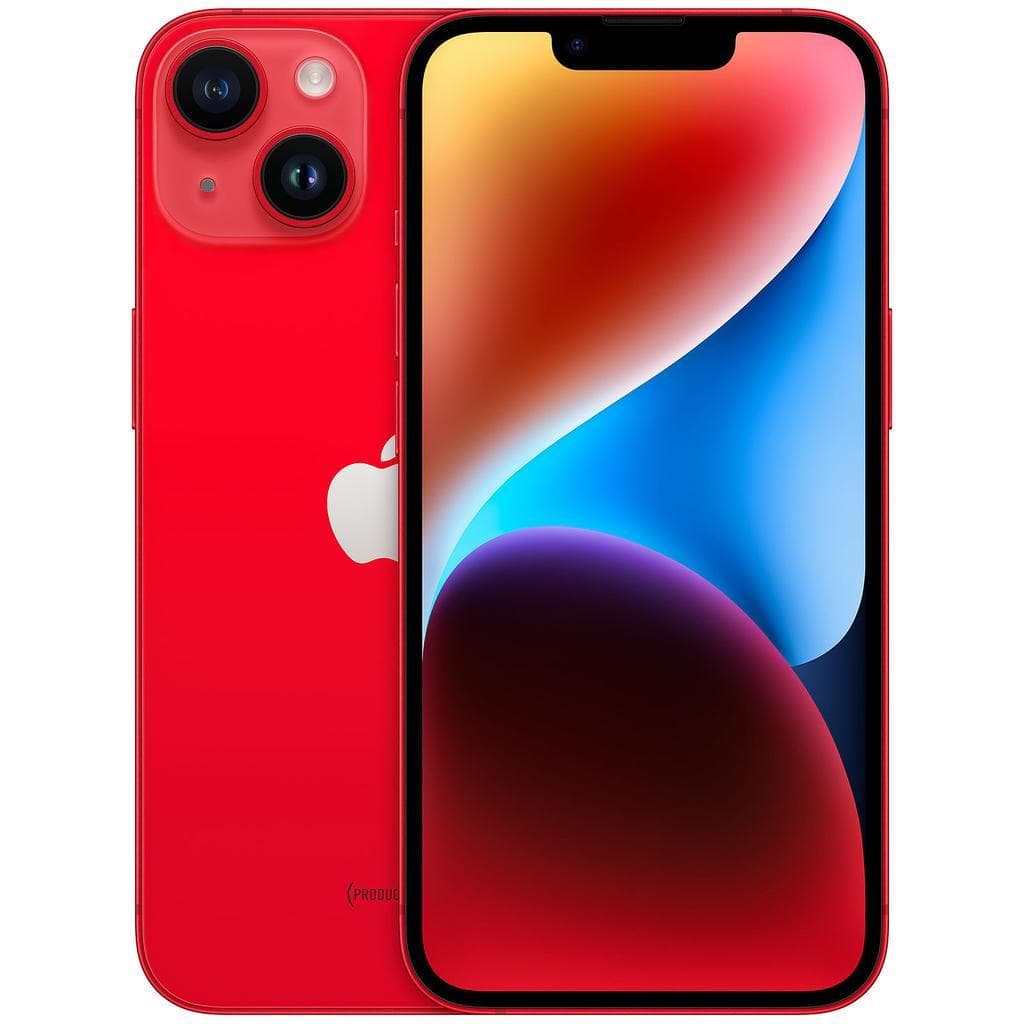
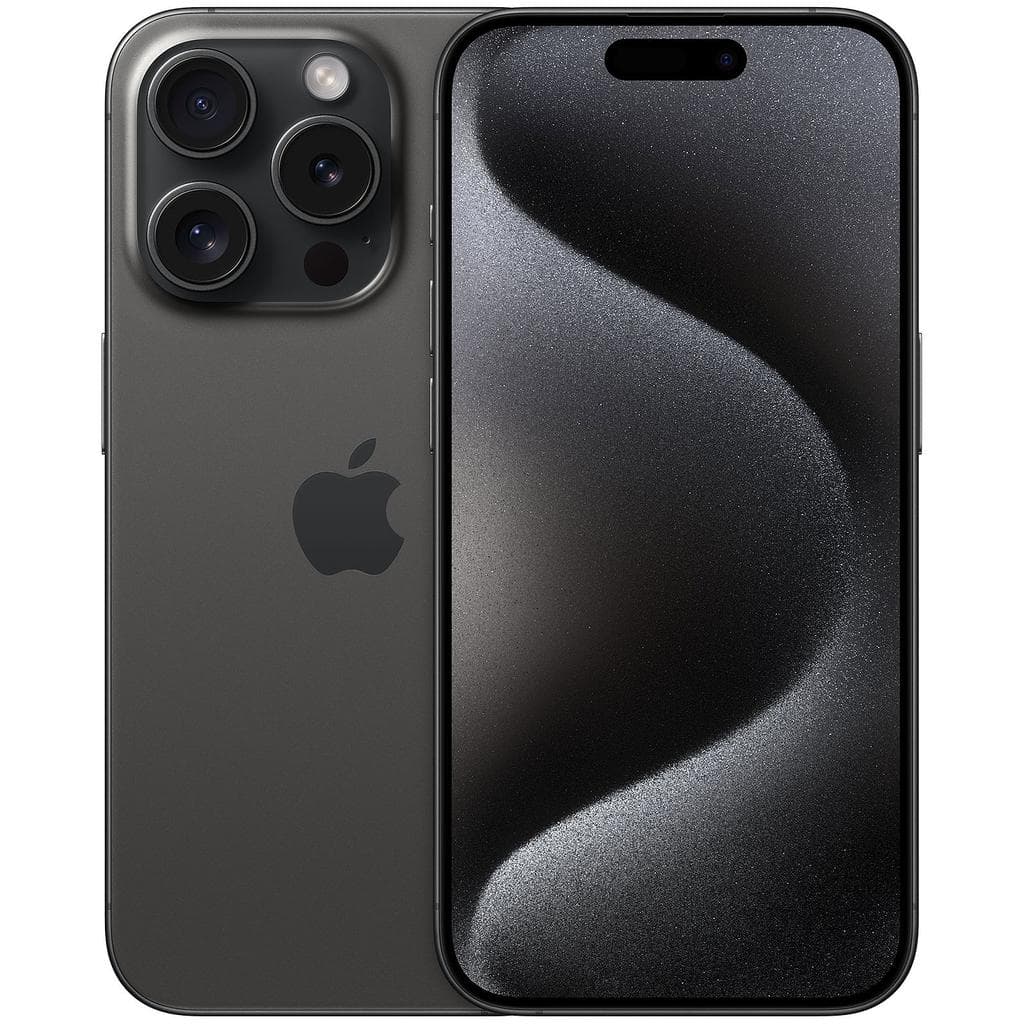
Guide · 7 min read
Refurbished iPhone depreciation: how much does an iPhone lose per year?
iPhone depreciation is not a smooth slope. It is a cycle: large early drops, a slower middle phase, then a floor where waiting no longer saves much.
Published August 15, 2026 · updated August 18, 2026
A three-step curve, not a straight line
Most iPhones lose value fastest in the first years, then slow down as they become established refurbished options. Eventually the price reaches a practical floor linked to refurbishment cost, demand and remaining software life.
The September shift
A new iPhone generation pushes the whole lineup down, but the refurbished effect arrives after trade-ins and seller stock work through the system. That is why October and November can matter more than launch week.
Pro models do not move like standard models
Pro and Pro Max models start higher and can show larger dollar drops, but demand can also keep them stronger. Standard models may reach a price floor earlier because they start from a lower new price.
What age should you buy?
- Two to three years old: often the best balance between price drop and remaining lifespan.
- Four years old: close to the floor, but check software support and battery comfort.
- Five years and older: the savings versus a newer model may be limited.
- One year old: the gap versus a new or discounted-new phone may still be too small.
What this means in practice
Waiting makes sense when the model is still visibly falling. If the curve has been flat for months, a price alert may still catch a short deal, but waiting every week becomes less useful.
Indicative prices, not a guarantee